7 Better Ways Gut Health and Sleep are Linked: Fix It Now

gut health and sleep

Have you experienced waking up tired even though you got plenty of rest? You’re not alone. Many people blame stress, screens, or caffeine, but there’s another reason your rest might not feel refreshing. When it comes to feeling restored, the link between gut health and sleep is more powerful than most realize. It all starts deep in your belly.

Turns out, your microbiome—the tiny organisms living in your digestive tract—talks directly to your brain. This internal conversation influences your mood, energy levels, and your entire sleep cycle.

Let’s break down how gut health and sleep quality go hand-in-hand, how to tell when your system is off-balance, and what you can do to fix it naturally.

How Your Microbiome Affects Your Rest

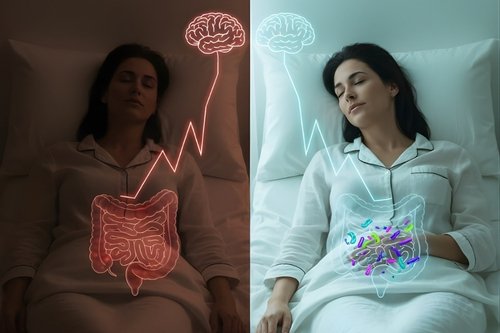
Your gut and brain are in constant communication through the "gut-brain axis." Think of it like a two-way chat line. When your gut is balanced, your brain feels calm. But when things are out of whack, your sleep takes a serious hit.

Here is why gut health and sleep are so deeply intertwined:

  • Serotonin Production: About 90% of serotonin, the “feel-good” chemical that regulates mood, is made in your gut.
  • Melatonin Regulation: Your gut influences melatonin, the hormone that tells your body when it’s time to sleep.
  • Stress Signals: When digestion is poor, the body releases cortisol (the stress hormone), making it harder to relax.

Researchers have found that people with diverse, balanced gut bacteria tend to sleep longer and wake up feeling more refreshed.

Signs Your Gut Is Ruining Your Sleep

gut health and sleep

Wondering if your digestion is the culprit? Look for these clues that your internal balance is disrupted:

  1. You feel bloated or gassy before bed.
  2. You feel exhausted regardless of how many hours you slept.
  3. You have intense sugar or carb cravings late at night.
  4. You deal with "brain fog" or irritability during the day.
  5. You have trouble "turning off" your brain at night.

Poor gut health and sleep issues often create a cycle of inflammation that makes deep, restorative rest nearly impossible.

7 Surprising Ways to Restore Gut Balance for Better Sleep

gut health and sleep

The good news is that you can start improving your gut health and sleep tonight with these seven evidence-based tweaks:

  1. Increase Your Fiber Intake: Eat more oats, bananas, and leafy greens. These "prebiotics" feed the good bacteria that help produce sleep-regulating chemicals.
  2. Add Fermented Foods: Incorporate yogurt, kimchi, or sauerkraut into your meals. These introduce live probiotics to balance your microbiome.
  3. Prioritize Magnesium: Almonds, spinach, and pumpkin seeds are rich in magnesium, which helps relax your muscles and your gut lining.
  4. Watch Your Meal Timing: Try to eat your last meal at least three hours before bed. This prevents your body from focusing on heavy digestion when it should be focused on deep repair.
  5. Manage Stress Before Bed: High cortisol kills healthy gut bacteria. Use deep breathing or journaling to signal to your gut-brain axis that it’s time to wind down.
  6. Get Morning Sunlight: Stepping outside for 10 minutes in the morning regulates your circadian rhythm, which helps both your digestion and your melatonin production.
  7. Limit Late-Night Sugar: Bad gut bacteria thrive on sugar. Cutting out sweets before bed prevents the "sugar spikes" that cause middle-of-the-night wakeups.

When to Seek Help

The good news is that you can start improving your gut health and sleep tonight with a few simple tweaks to your routine.

If you’ve adjusted your diet and routine but still feel drained, it might be time to talk with a professional. A nutritionist or functional medicine doctor can help you identify food sensitivities, while a sleep specialist can test for issues like sleep apnea.

If your evenings are often restless, you might enjoy this article: Can’t Sleep? Try This 8-Minute Stretch Routine. It’s a gentle way to relax your body before bed.

A Gentle Reminder

If your sleep feels off, it doesn’t mean you’re broken. It’s often just a sign that your gut is asking for more care. By focusing on the relationship between gut health and sleep, you give your body the tools it needs to finally get the rest it’s been craving.

Start with small, consistent changes. Eat more whole foods, relax before bed, and pay attention to how your body feels after certain meals. Over time, your sleep will start to reflect those changes. Your gut and your sleep are a team—when one heals, the other follows.

Small Steps, Big Change

Join 10,000+ readers getting one practical self-care tip each morning.
© 2026 DailyCareToday. All rights reserved.
Affiliate Disclosure: Some links on this site are affiliate links. If you buy through them, we may earn a commission at no extra cost to you. We only recommend products we genuinely believe can support your wellness journey.
linkedin facebook pinterest youtube rss twitter instagram facebook-blank rss-blank linkedin-blank pinterest youtube twitter instagram